

Key Takeaways
Deferred home maintenance
Deferred home maintenance means putting off small repairs, inspections, or upkeep tasks until a later date. The problem is that most minor issues do not stay minor. Moisture, friction, settling, and temperature cycles keep working on a problem whether or not the homeowner does. What costs $20 to fix today often costs hundreds or thousands to fix after a season of neglect.
Contractors and home inspectors use the term 'deferred maintenance' in appraisal and inspection reports to flag repair items that were knowable and addressable but left unattended, typically reducing a property's appraised value.
Why small problems do not stay small
A dripping faucet wastes water and money, but the pipe fitting beneath it is also under repeated stress. A worn window caulk line lets in a few drafts, but it also lets in moisture that softens the wood frame beneath the trim. The pattern is consistent: physical systems in a house degrade continuously, and a small breach in one component puts adjacent components under stress they were not designed to handle alone.
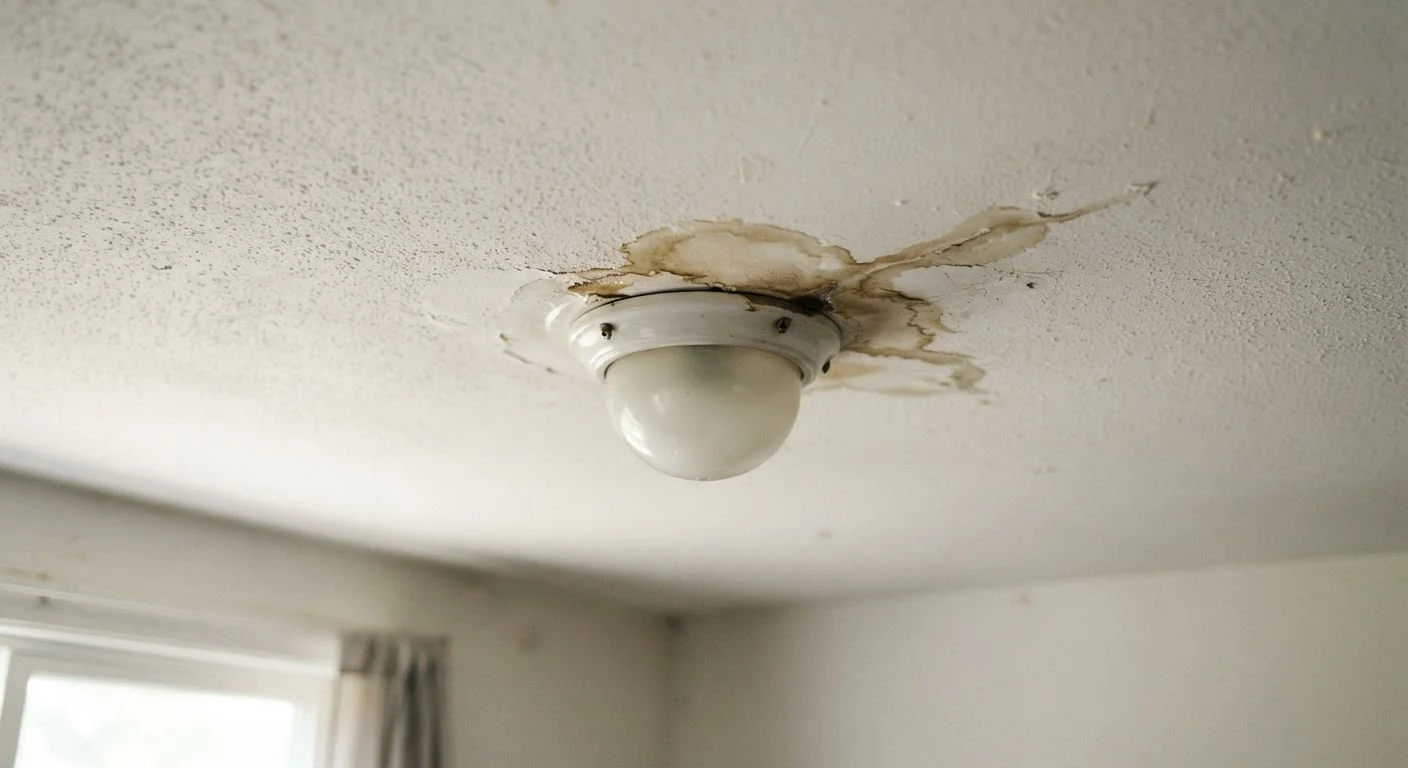
Water is the most destructive agent in most homes. A slow leak under a kitchen sink may drip for weeks before anyone notices the discolored cabinet floor. By then, the particleboard substrate may be swollen beyond repair, and a mold colony may already be established. The faucet washer that would have cost a few dollars to replace now comes with a cabinet replacement and possibly a mold remediation visit. See how deferred maintenance fits into the broader picture of household costs for a fuller look at how these expenses accumulate.
Air infiltration is the second major escalator. A failed seal around a window or exterior door does not just raise the heating bill. It pulls conditioned air out and draws humid outdoor air in, which can condense on cold surfaces inside walls. Over time, that moisture feeds wood rot and insulation degradation in areas that are hard to inspect and expensive to reach. How insulation, air sealing, and attic ventilation interact explains why fixing the seal often matters more than adding more insulation.
The cost gap between early and late action
The financial difference between a timely repair and a delayed one is rarely proportional. It is not that a $30 fix becomes a $60 fix. More often, a $30 fix becomes a $600 fix because the original problem has damaged two or three adjacent systems.
$1 to $10+
Repair cost multiplier when delayed
Home inspection professionals commonly observe that minor maintenance items deferred for one to two years often require repairs costing 10 to 20 times more than the original fix would have.
2x/year
Recommended home walkthrough frequency
A seasonal inspection twice yearly catches the majority of developing issues before they reach the damage stage, according to general guidance from home maintenance educators.
Under $50
Typical early-stage repair material cost
Caulk, washers, weatherstripping, foam sealant, and grout are inexpensive when purchased for a specific small fix caught in time.
Grout and caulk in wet areas illustrate this clearly. A cracked grout line in a shower costs very little to regrout when addressed early. Left alone, water migrates behind the tile, saturates the backer board, and eventually reaches the subfloor. At that stage, the repair requires tile removal, substrate replacement, and re-tiling, a job that can cost $800 to $2,500 depending on the scope. The common reasons DIY grout repair fails are worth understanding before attempting a fix yourself.
Pest entry points follow the same pattern. A small gap where a pipe enters an exterior wall costs almost nothing to seal with caulk or foam. Once rodents find that gap, the damage they cause to insulation, wiring, and stored materials can exceed the cost of a professional exterminator plus repairs. Some wiring damage from pests creates a fire risk that no amount of delayed repair can undo cheaply.
Which repairs escalate fastest
Not every small repair carries equal urgency. These categories tend to escalate most quickly when ignored:
- Roof penetrations and missing shingles, because even a small opening allows water to reach wood decking and attic insulation within one rainstorm.
- Plumbing drips and slow leaks, because continuous moisture promotes mold and structural rot faster than most homeowners expect. The pros and cons of DIY plumbing repairs can help you decide when to handle it yourself.
- HVAC filter neglect, because a clogged filter forces the blower motor to work harder, shortening its life and raising energy bills. Low-cost habits that extend HVAC system life covers what regular maintenance actually involves.
- Exterior caulk and weatherstripping failures, because they affect both energy efficiency and moisture control simultaneously.
- Gutter clogs, because water that overflows against the foundation can, over years, cause basement seepage and foundation settling.
A simple way to track what needs fixing
Keep a running note on your phone or a small notebook near the breaker panel. When you notice something off, write it down with the date. Reviewing the list monthly prevents items from slipping into a deferred pile. A visible list also helps you group small repairs into a single trip to the hardware store.
Cosmetic issues such as scuffed paint, a stiff cabinet hinge, or a loose towel bar have lower urgency. They become more pressing only if they mask a structural or moisture issue beneath the surface.
Building a simple repair habit
A repair backlog grows when issues go unnoticed or get noted and forgotten. A twice-yearly walkthrough, once before winter and once in early spring, catches the majority of developing problems. The winter check should cover weatherstripping, exterior caulk, roof gutters, attic venting, and any visible pipe insulation in unheated spaces. The spring check should focus on what winter weather may have stressed: roof shingles, exterior paint, foundation grading, and window seals.
Writing findings down on even a basic list makes it far more likely they get addressed. Grouping small repairs into a single afternoon project, rather than treating each one as its own event, lowers the mental barrier to getting started. Most hardware materials for common small repairs cost under $50, and many fixes take less than an hour with basic tools.
Smart family living strategies consistently point to proactive home maintenance as one of the more reliable ways to avoid large, unplanned expenses. Addressing what is observable and accessible today is nearly always less disruptive and less costly than addressing what has quietly spread for months.